Lately, I’ve been deeply interested in Nayib Bukele’s leadership, particularly his aggressive crackdown on gang violence in El Salvador. Under his leadership, the government implemented a state of emergency, showing zero tolerance for organized crime.
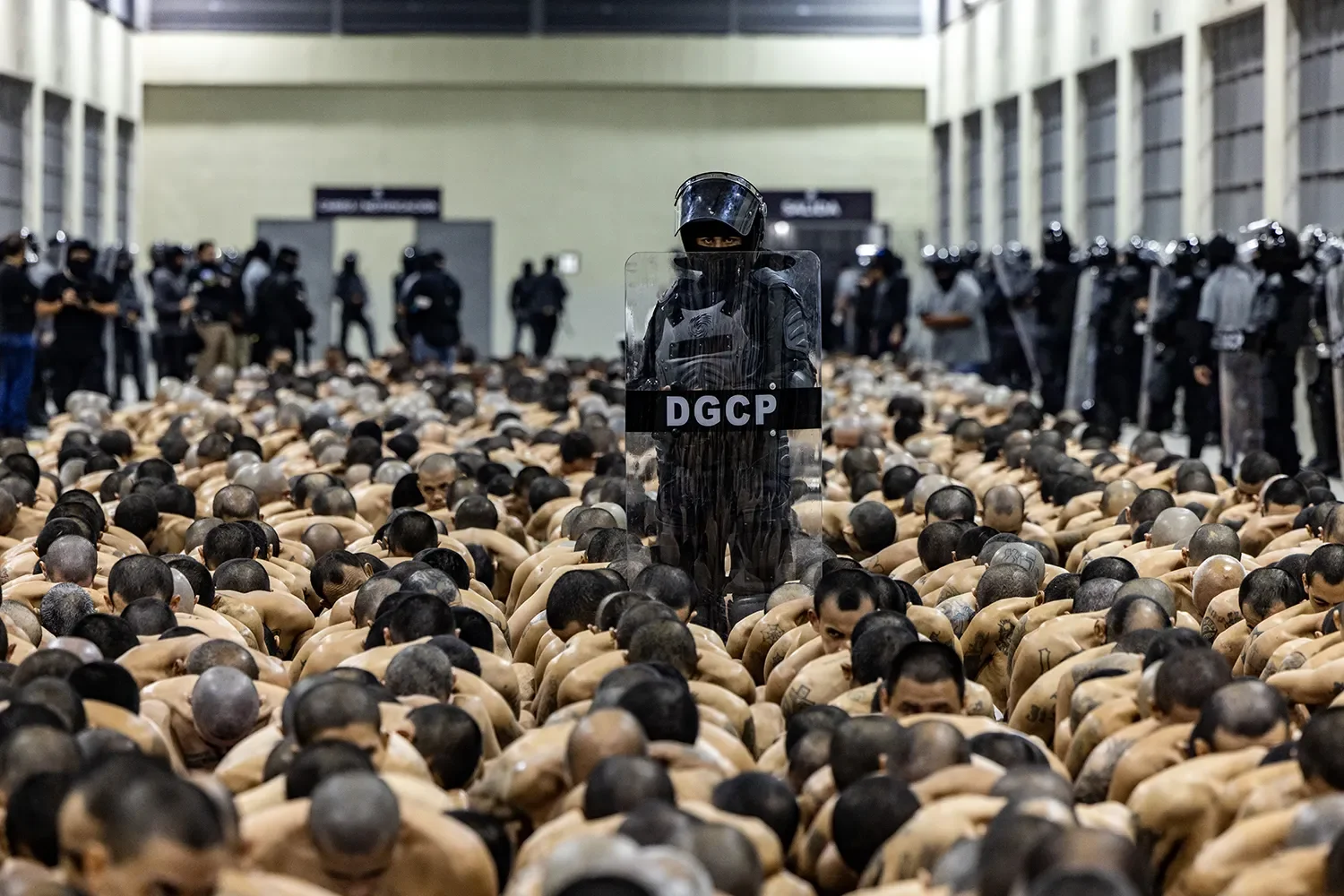
In this image supplied by the office of the president of El Salvador, a group of 2,000 detainees are moved to a megaprison in Tecoluca, El Salvador, on March 15, 2023.
HANDOUT/PRESIDENCIA EL SALVADOR VIA GETTY IMAGES
Bukele’s approach was simple: identify the country’s biggest problem and act fast. His decisive actions transformed El Salvador from one of the most dangerous countries in the world into one of the safest.
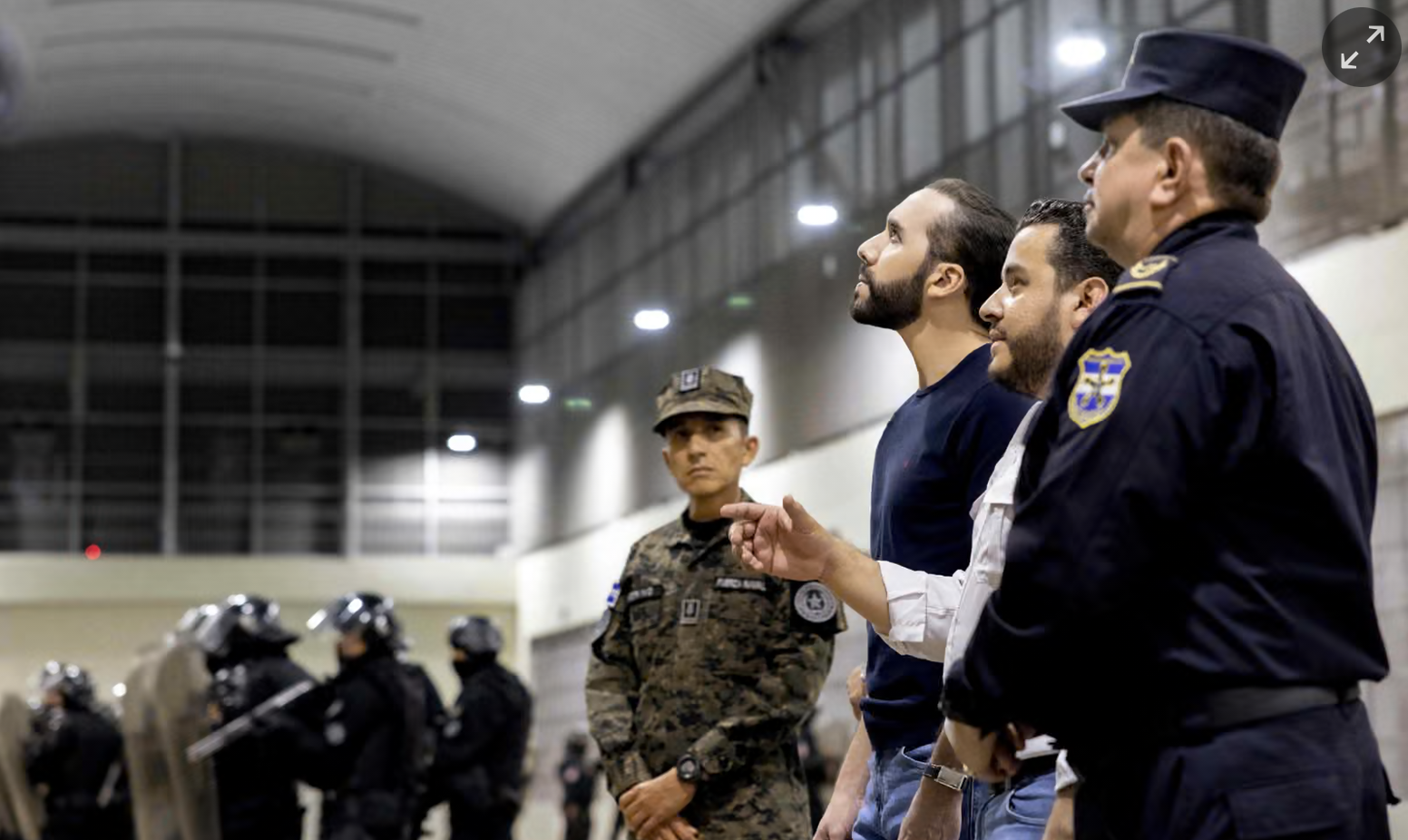
Nayib Bukele, third right, during an inspection visit at a prison intended to hold 40,000 suspected gang members.Photograph: AFP/Getty Images
This leadership reminds me of Lee Kuan Yew, who took a similarly bold stance against corruption in Singapore during the 1960s. Through strict enforcement, institutional reforms, and a commitment to integrity, Singapore transformed from a deeply corrupt state into one of the cleanest governments in the world.
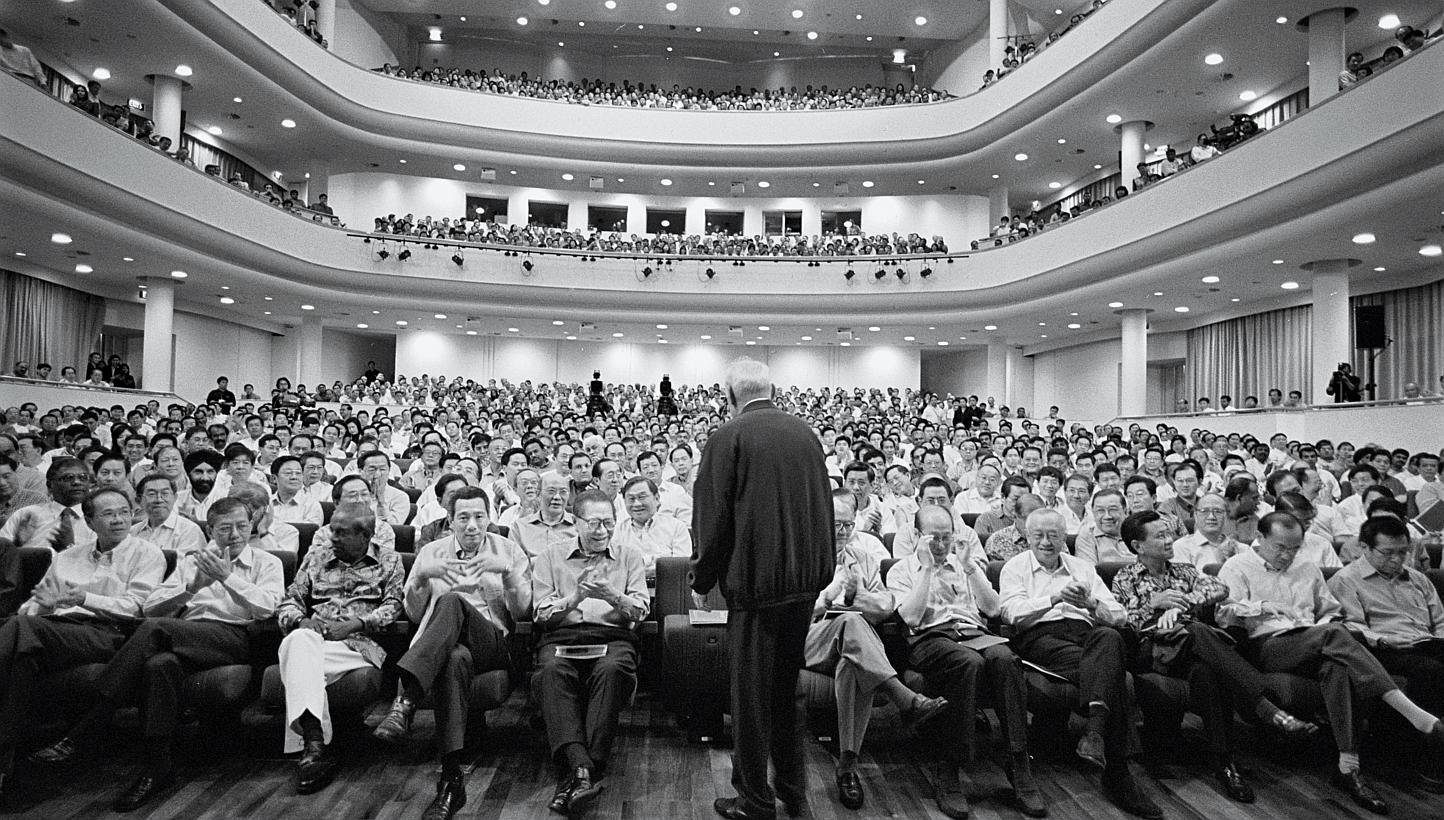
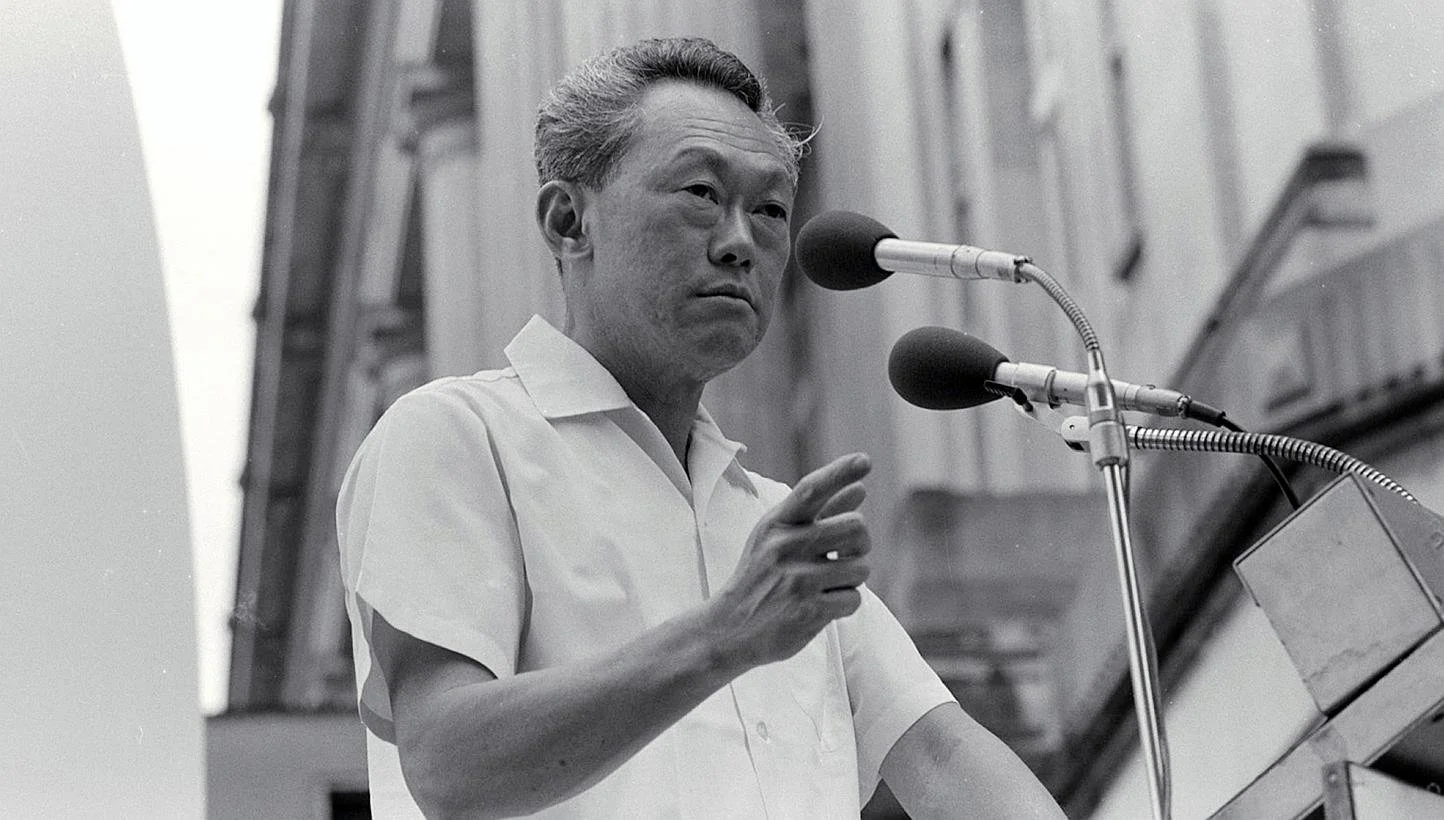

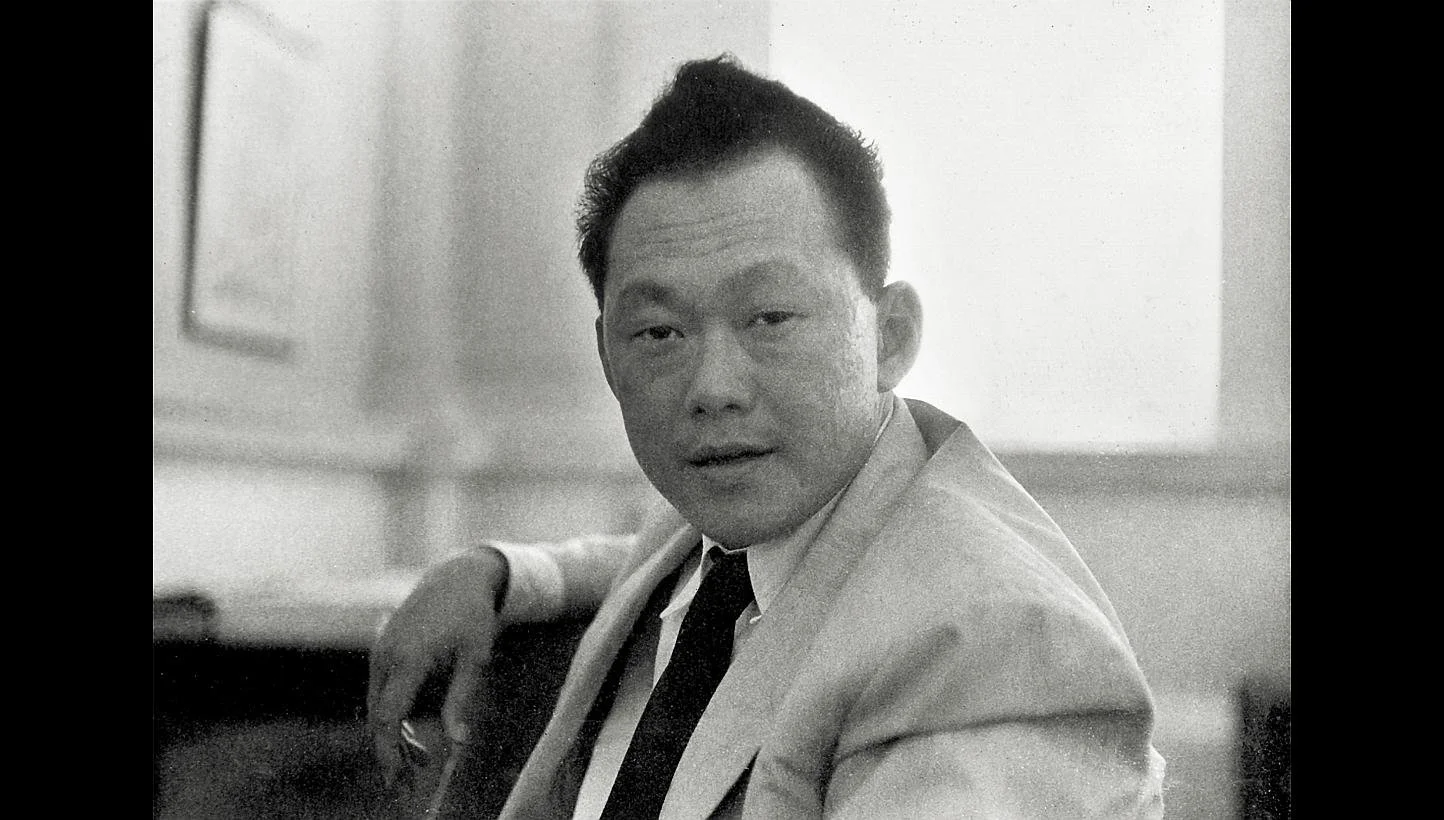

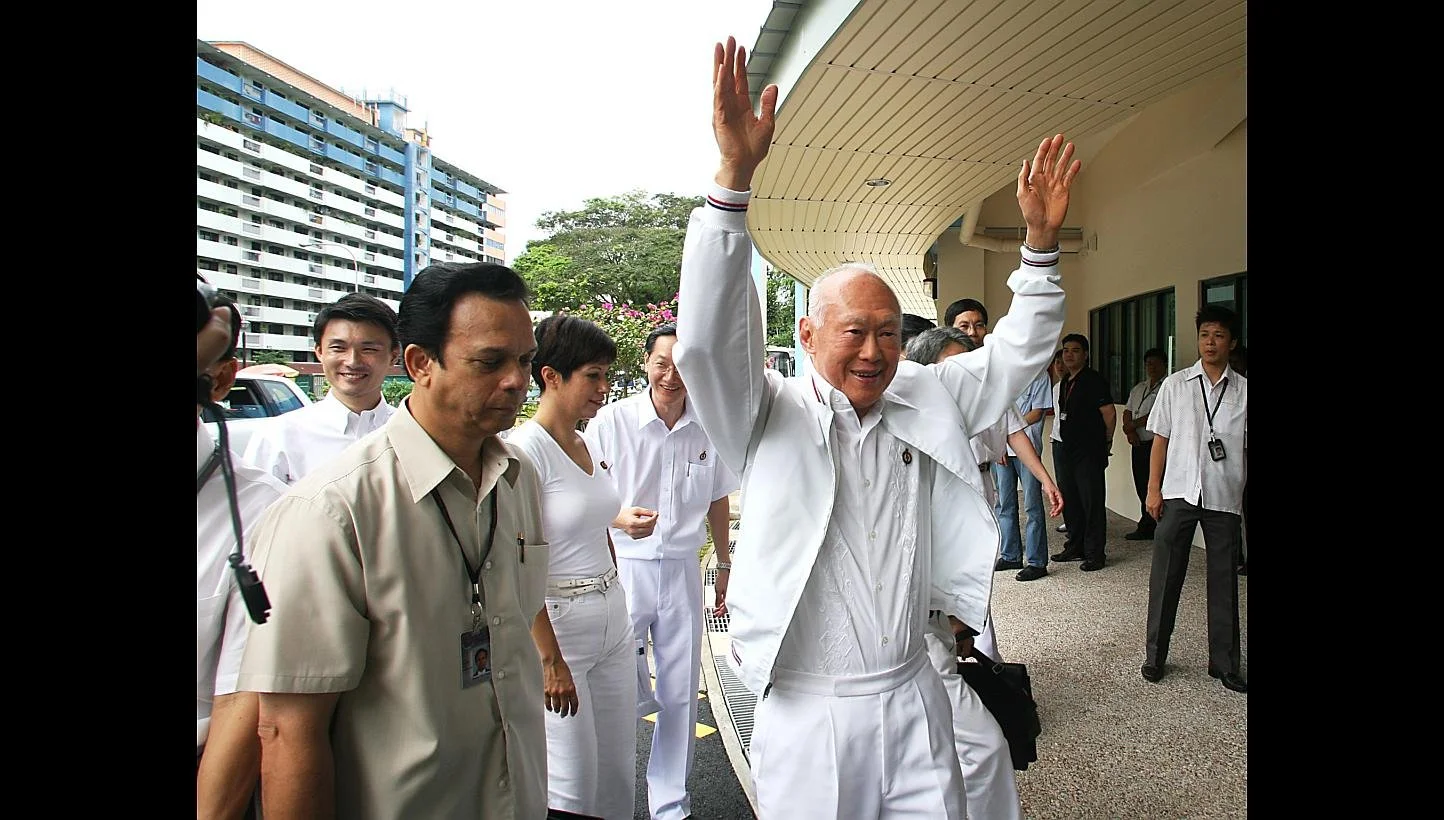
The following is an extract from the book Lee Kuan Yew: The Man And His Ideas, published in 1998, in which Mr Lee reveals details about his personal life in his own words
Indonesia, of course, operates under a strong democratic system, meaning Bukele’s or Lee Kuan Yew’s centralized control wouldn’t apply in the same way. But that doesn’t mean corruption is an unsolvable problem.
Tougher laws, strict enforcement, and public accountability must be at the core of real change. We can’t keep tolerating crooked politicians and corrupt institutions just because they’ve been around for decades. Unfortunately, we lack a leader like Bukele or Lee Kuan Yew, someone who prioritizes tackling our biggest issue (corruption).
Instead, the focus is on giving out free lunches. The key to change isn’t just leadership but also public pressure. We need to talk about corruption, tweet about it, and make it a national priority.
The more we bring attention to it, the harder it becomes for corruption to thrive. It took Singapore 15 years and Hong Kong 30 years to clean up their systems, I believe Indonesia can do it in my lifetime.
So let’s get to work.