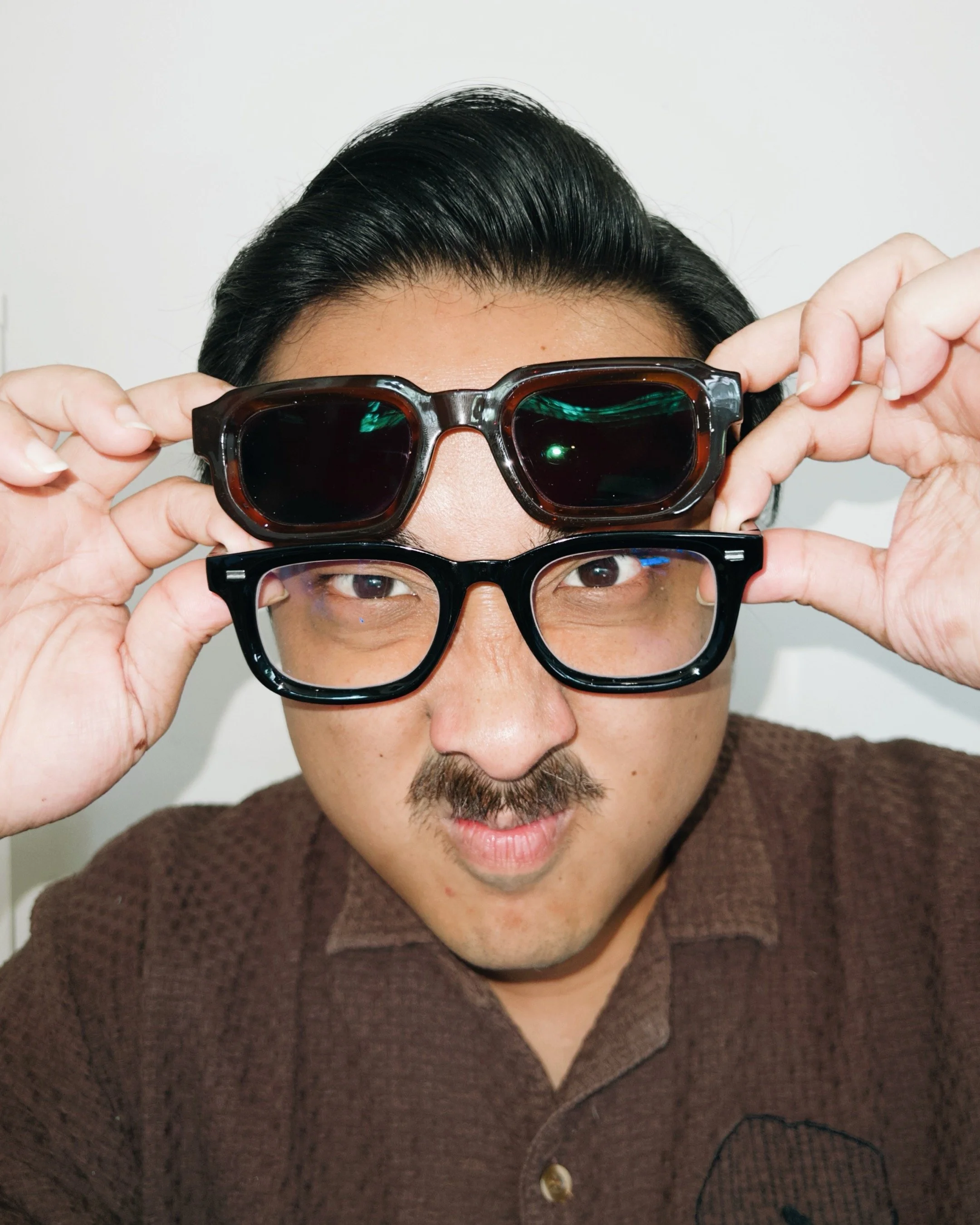
The Biggest Regret on My Honeymoon
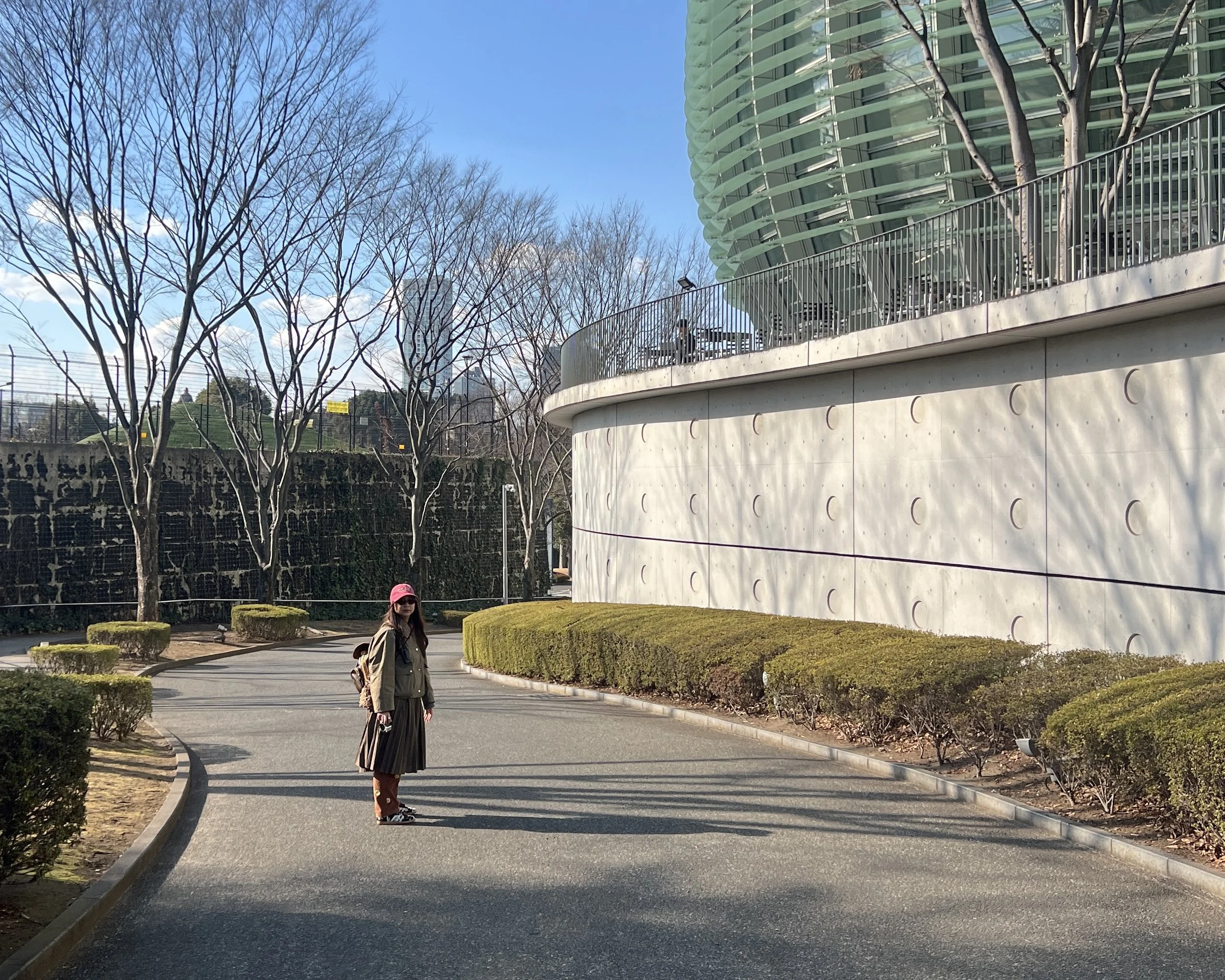
Our dream honeymoon wasn’t Japan,
but somehow, Japan called us.
There’s something about Japan. Even when you’re planning to go somewhere else, it whispers to you. Peak winter. White breath in the air. The two of us navigating quiet streets and loud train stations. We stayed in places we once only saved on Instagram. We ate foods strangers swore by on TikTok. We followed YouTube itineraries like pilgrims following a digital map to meaning.
It felt surreal. It felt earned.
Before the trip, we prepared ourselves, not just logistically, but emotionally. We talked about the little things that could go wrong. How to prevent small debates from becoming big ones. We even had a “safe song” to sing when things started getting heated, a reset button in melody form. We promised to record everything. Every laugh, every tear, every silent train ride. So when we returned to the chaos of Jakarta, we could press play and remember that softness still existed somewhere.
And of course, things didn’t go perfectly. Restaurants were full. Our legs ached from walking. Winter prices surprised us. Plans shifted. Trains were missed. But none of that matters now.
Because my biggest regret isn’t about money, or timing, or reservations.
It’s that I walked too fast.
Recently, I came across a reading about slowness, about how not everything is an emergency. A shower isn’t a crisis; it’s a ritual. A meal isn’t a checkpoint, it’s an experience. Even something as mundane as walking can be an act of presence.
There’s research from institutions like Harvard University suggesting that our constant exposure to fast-paced digital content trains our brains to crave speed and efficiency. Short-form media conditions us to move quickly, think quickly, react quickly. Another study published by researchers at Stanford University found that heavy media multitasking can reduce attentional control, making it harder to stay present in slower, singular moments.
And interestingly, behavioral studies have shown that men, on average, tend to walk faster than women, often unconsciously, influenced by social conditioning around urgency, productivity, and control. We are taught, subtly, that forward motion equals purpose. That slowing down equals weakness.
So there I was. In Japan. In the cold. Wanting to rush from point A to point B because it was freezing. Because that’s what I’m used to. Because Jakarta trained me to move like the city so loud, so fast, so restless.
But she was cold too. And she was walking slower.
Because we don’t go to Japan often.
Because the snow doesn’t fall for us every day.
Because this wasn’t a commute.
It was a memory in the making.
I remember the number of times I had to turn around and see her a few steps behind me. Smiling. Patient. Matching her own rhythm. And instead of adjusting mine, I kept mine.
Why? There was nowhere else I needed to be. No meeting. No deadline. No emergency.
Just her.
Someone reminded me recently about mindfulness in ordinary moments, especially the ones we can’t control. Sitting in traffic with no option but to wait. Standing in a long line. Feeling the discomfort without fighting it. Teaching the brain that stillness isn’t danger. Slowness isn’t failure.
Looking back at our videos from Japan now, I notice something that hurts a little. Most of them are of her walking toward me. Or me ahead, filmed from behind. Rarely side by side.
And that realization sits heavier than any restaurant we couldn’t get into.
Because what is marriage, if not the act of walking together?
I am writing this now not just as a reflection, but as a promise.
To slow down.
To match your steps.
To let winter be winter.
To let the moment stretch instead of sprint.
Next time, whether it’s Japan, Jakarta, or just the walk from our car to the front door, I will walk a little slower.
For you, Indira.